
Cardiology Series
Cardiology 101: Foundations of Cardiac Rhythm
Build a strong foundation in cardiac anatomy, physiology, and rhythm recognition in this 2-hour session. I’ll guide you through the heart’s electrical conduction system and introduce the essential features of a normal sinus rhythm complex.
Whether you’re new to cardiology or refreshing your clinical knowledge, this course offers a clear, practical starting point and provides the foundation for the rest of the series.
Key learning points
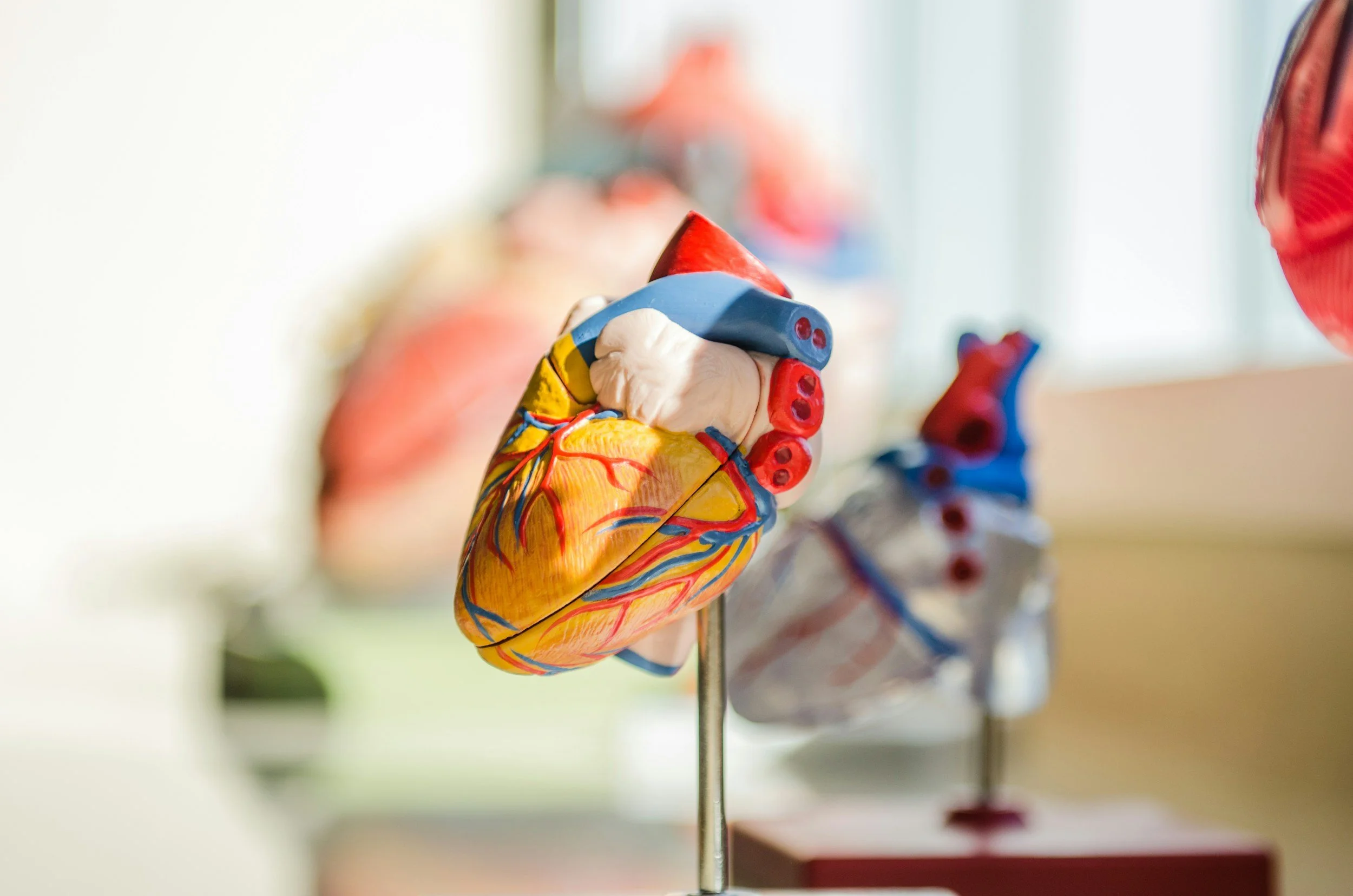
Review core heart anatomy and physiology
Understand the electrical conduction system
Identify the basic components of a normal sinus rhythm complex
Connect cardiac structure, function, and electrical activity
Cardiology 102: Atrial Arrhythmias
Develop a structured approach to atrial arrhythmias. I’ll help you build on foundational cardiac knowledge and strengthen your understanding of rhythms that originate in the atria.
Designed to welcome varied levels of clinical experience, this course keeps the focus on clear concepts and practical rhythm recognition.
Key learning points
Understand how atrial arrhythmias develop
Recognise key characteristics of atrial rhythms
Distinguish atrial arrhythmias from normal sinus rhythm
Consider the clinical significance of common atrial arrhythmias
Identify an appropriate clinical response within your role and local protocols
Apply a consistent approach to rhythm assessment
Cardiology 103: Ventricular Rhythms
Explore ventricular rhythms with a focused, clinically relevant approach. I’ll guide you through the defining features of rhythms originating in the ventricles and help you develop greater confidence in recognising them.
This course supports learners with varied clinical backgrounds while building on the foundations introduced earlier in the series.
Key learning points
Understand the origins of ventricular rhythms
Recognise their key rhythm characteristics
Differentiate ventricular rhythms from atrial and sinus rhythms
Consider the clinical significance of ventricular rhythms
Identify an appropriate clinical response within your role and local protocols
Strengthen systematic rhythm assessment skills
Across the series, ECG education remains clearly structured: Cardiology 101 establishes the foundations, Cardiology 102 focuses on atrial arrhythmias, and Cardiology 103 focuses on ventricular rhythms.
Courses taught at your practice, or join us in small groups to learn, ask questions and grow your understanding.
Your Instructor-Graeme Webster

I have nursed for over 16 years in the Intensive Care environment, with extended practice to aeromedical retrieval, and now in a leadership role of Associate Nurse Manager. Prior I worked in cardiology, emergency and held a senior clinical role in a large surgical hospital.
I see every day how important teamwork and effective resuscitation skills are as I lead teams to do this. I am passionate about cardiology, and I am known for making complex concepts clear, practical and easy to apply to real world situations.
My goal is simple- to help people gain the skills, understanding and confidence to provide the best possible care.